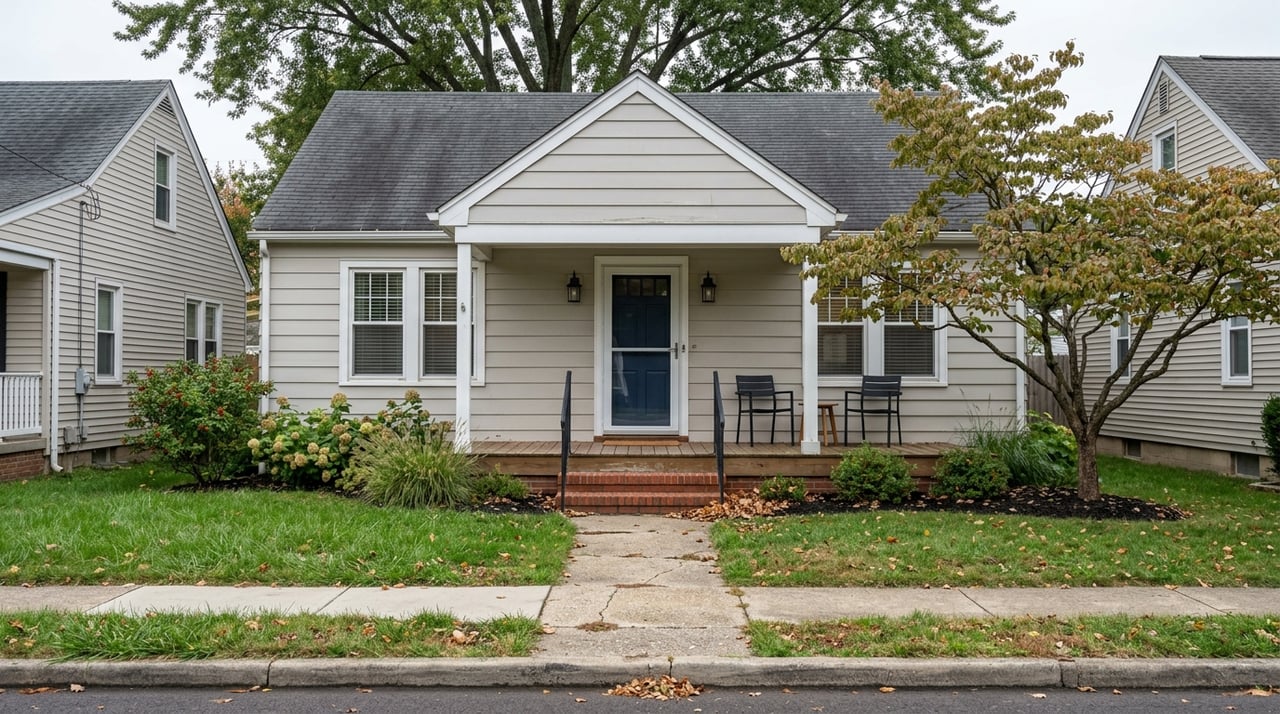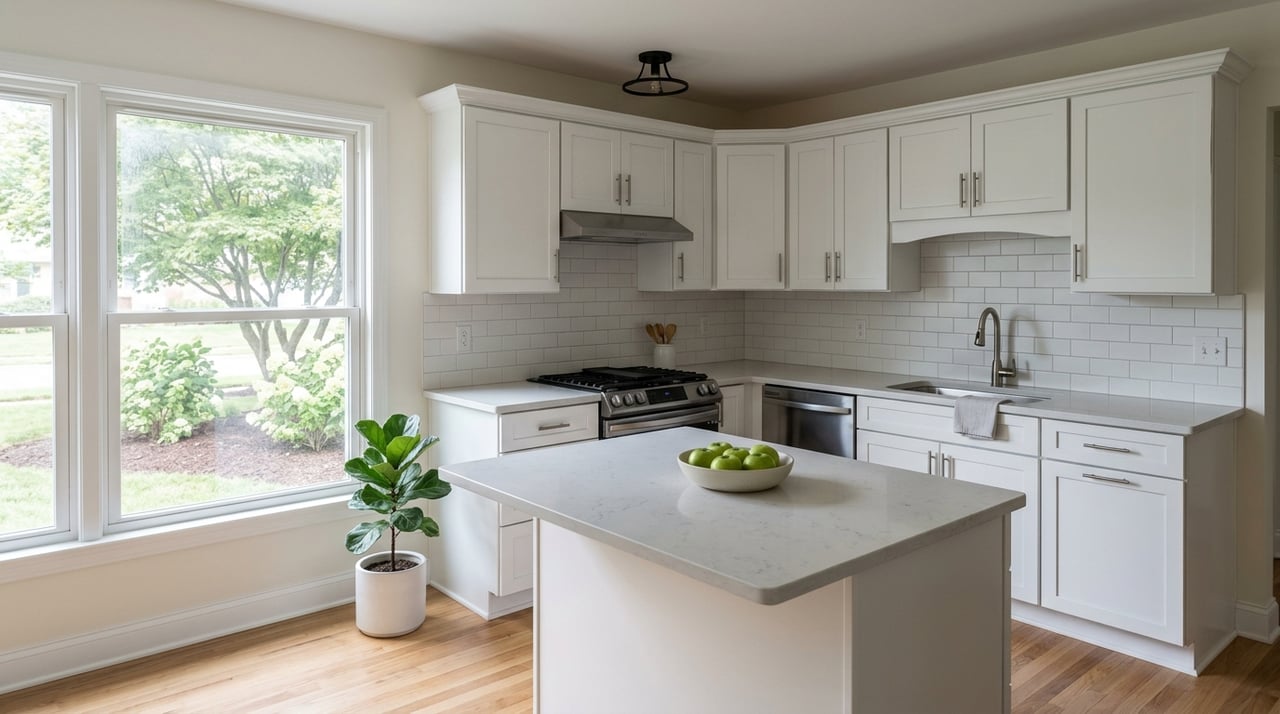
Thinking about selling your home in Bloomington? In a market that is active but not overly fast-paced, the homes that stand out are usually the ones that are priced well, presented clearly, and ready for buyers from day one. If you want to avoid costly guesswork and make smart prep decisions, this guide will walk you through what matters most before you list. Let’s dive in.
Understand Bloomington market conditions
If you are getting ready to sell, it helps to start with the local numbers. The latest Monroe County market dashboard shows a February 2026 median sale price of $290,000, 3.9 months of inventory, a 95.9% three-week average percent of list price, and 32 days on market.
Other market sources show slightly different figures because they use different boundaries and methods. For example, Realtor.com’s Bloomington overview reports 650 active listings, a median listing price of $360,000, 52 median days on market, and a 97% sale-to-list ratio. Together, these reports point to the same practical takeaway: Bloomington sellers need realistic pricing and strong presentation, not wishful pricing.
Time your sale with prep in mind
Many sellers want to know the best time to list. Nationally, Realtor.com’s 2026 timing analysis says April 12 through 18 is the best week to list, with historically more listing views, faster sales, and slightly higher prices than the average week.
That does not mean you should wait until spring and rush everything at the last minute. The same report says 53% of sellers took one month or less to get their home ready. In Bloomington, a spring launch works best when your decluttering, repairs, staging, photography, and pricing strategy are already in place.
Focus on updates with better payoff
Before you spend money, it is worth asking a simple question: what is most likely to help your home sell? In many cases, the best pre-listing improvements are visible, practical, and tied to first impressions.
According to Zonda’s 2025 Cost vs. Value report, national projects with some of the strongest cost recovery include garage door replacement, steel door replacement, manufactured stone veneer, fiber-cement siding replacement, and a minor kitchen remodel. The broader pattern is just as important as the rankings. Exterior replacement projects often outperform larger interior remodels at resale.
A second source reinforces that point. The 2025 NAR Remodeling Impact Report found that REALTORS® most often recommended painting the entire home or possibly painting one room as needed, and replacing roofing before listing. Kitchen upgrades, new roofing, bathroom renovations, and full interior painting also showed increased buyer demand.
For many Bloomington homeowners, that means your money may go farther if you prioritize:
- Fresh interior paint
- Clean, simple curb appeal
- Minor exterior fixes
- Roofing issues, if needed
- Small kitchen or bath touch-ups
- Repairing anything visibly worn or broken
National averages are not guarantees for your specific property, but they can still be helpful for planning. Zonda also reports strong cost recovery for vinyl siding and vinyl window replacement, while larger, more customized projects may be harder to justify before a sale.
Stage the spaces buyers notice most
Staging is not just for luxury listings. In a balanced market, it can help buyers picture the home more easily and make your online presentation stronger.
The 2025 NAR Profile of Home Staging findings show that 29% of sellers’ agents said staging led to a 1% to 10% increase in the dollar value offered, while 49% said it reduced time on market. Buyers’ agents also said staging helps people visualize the property as a future home.
The same report identified the living room, primary bedroom, and kitchen as the most important rooms to stage. If you are trying to decide where to focus, start there.
Simple staging steps that matter
You do not always need a full staging package to improve how your home shows. Many sellers benefit from a few basics:
- Remove extra furniture to make rooms feel more open
- Clear off counters, shelves, and tables
- Deep-clean kitchens and bathrooms
- Put away highly personal decor
- Use neutral bedding and simple accessories
- Tidy the front entry and exterior walkways
NAR also notes that common seller prep recommendations include decluttering, cleaning the entire home, and improving curb appeal. Those steps can have a bigger effect than many homeowners expect.
Photos still shape first impressions
Most buyers will see your home online before they ever step inside. That is why physical prep and digital presentation work together.
In the same NAR staging report, buyers’ agents rated photos as the most important listing tool, followed by physical staging, videos, and virtual tours. Even modest improvements can pay off once the home is photographed and marketed online.
Price for your micro-market
One of the biggest mistakes sellers make is using a broad city average to price a very specific home. In Bloomington, pricing can vary widely depending on location, condition, lot, updates, and nearby sales.
For example, Realtor.com’s Bloomington overview shows major price differences across parts of the city, from a median home price of $240,750 in Mc Doel Gardens to $355,000 in Bryan Park and $667,450 in Renwick. That spread is a good reminder that your best pricing guide is not a citywide number. It is the most relevant recent sales near your home.
Affordability is another factor. Indiana Realtors reports that Bloomington is one of the state’s tighter metro markets, with only 21% of listings affordable to a household earning $75,000 a year in its middle-income affordability analysis. Paired with Monroe County’s 95.9% average percent of list price, this suggests buyers are still paying attention to value.
What smart pricing looks like
A smart list price should account for:
- Recent sold comps near your home
- Current competing listings
- Your home’s condition and updates
- Lot size, setting, and features
- Buyer price sensitivity in today’s market
In other words, it is usually better to launch competitively than to start high and hope the market catches up. The experts at Realty Professionals can guide you through all these steps.
Handle disclosures early
Preparation is not just about paint and photos. It also includes paperwork and property disclosures.
In Indiana, sellers of one-to-four-unit residential property generally must complete the state seller’s residential real estate sales disclosure form before an offer is accepted. The form is based on your current knowledge of the property and covers issues such as roof conditions, water intrusion, structural concerns, hazardous conditions, permits, and homeowners association restrictions.
There are additional disclosure requirements in some cases. The same Indiana form includes contamination related to controlled substances, and most pre-1978 homes are also subject to federal lead-paint disclosure rules. Getting these items organized early can help reduce stress later in the process.
Your Bloomington selling checklist
If you want a practical plan, start here:
- Review recent local market conditions.
- Set a target listing window early.
- Declutter and deep-clean the home.
- Fix visible maintenance issues.
- Consider fresh paint and curb appeal updates.
- Stage the living room, primary bedroom, and kitchen.
- Prepare for professional photos.
- Review recent sold comps for your area.
- Complete required disclosures.
- Launch with a pricing strategy that matches your micro-market.
Selling a home in Bloomington does not require a huge remodel or a perfect market. It usually requires a clear plan, disciplined pricing, and thoughtful presentation. If you want guidance on what to fix, what to skip, and how to position your home for today’s buyers, the local team at Realty Professionals can help you move forward with confidence.
FAQs
What should I do first before selling a home in Bloomington?
- Start by reviewing local market conditions, recent comparable sales, and the current condition of your home so you can plan repairs, pricing, and timing more effectively.
What home updates matter most before listing in Bloomington?
- Paint, curb appeal, visible exterior improvements, and fixing worn or broken items are often more useful than large, highly customized remodels.
Does staging really help a home sell in Bloomington?
- Yes. NAR reports that staging can help reduce time on market and may improve the value offered, especially when the living room, primary bedroom, and kitchen are staged well.
How should I price my Bloomington home?
- Use recent nearby sold comps, your home’s condition, and current competing listings rather than relying only on broad city averages or online estimates.
What disclosures are required when selling a home in Indiana?
- Sellers of most one-to-four-unit residential properties generally must complete Indiana’s seller disclosure form, and many pre-1978 homes also require federal lead-paint disclosures.
When is the best time to list a home for sale in Bloomington?
- Spring can be a strong listing window, but the best timing depends on whether your home is fully prepared, photographed, and priced to compete when it hits the market.