Thinking about buying a rental near Indiana University but unsure where to start? You are not alone. With tens of thousands of students and staff creating steady demand, this can be a strong market if you plan for seasonality, local rules, and real operating costs. In this guide, you will learn how demand works around campus, which property types fit your goals, how to structure leases, key financing paths, and the exact due diligence to complete before you offer. Let’s dive in.
Why invest near IU Bloomington
Indiana University Bloomington is a large residential campus with about 48,600 students in fall 2025. That scale supports consistent renter demand from undergrads, graduate students, staff, and faculty that provides a stable foundation to keep units occupied year after year.
Leasing follows the academic calendar. Most students sign for August move‑ins, so your marketing and turnovers cluster in late spring and early summer. Plan your cleaning, repairs, and advertising around that cycle to reduce vacancy. IU’s resources for off‑campus living highlight how important clear lease terms and timelines are for renters and landlords.
Property types in areas surrounding Indiana University
Purpose‑built student housing
Private student communities often lease by the bedroom, include furnishings, and offer amenities. They can produce strong rent but require professional operations and higher turnover costs.
Single‑family houses for students
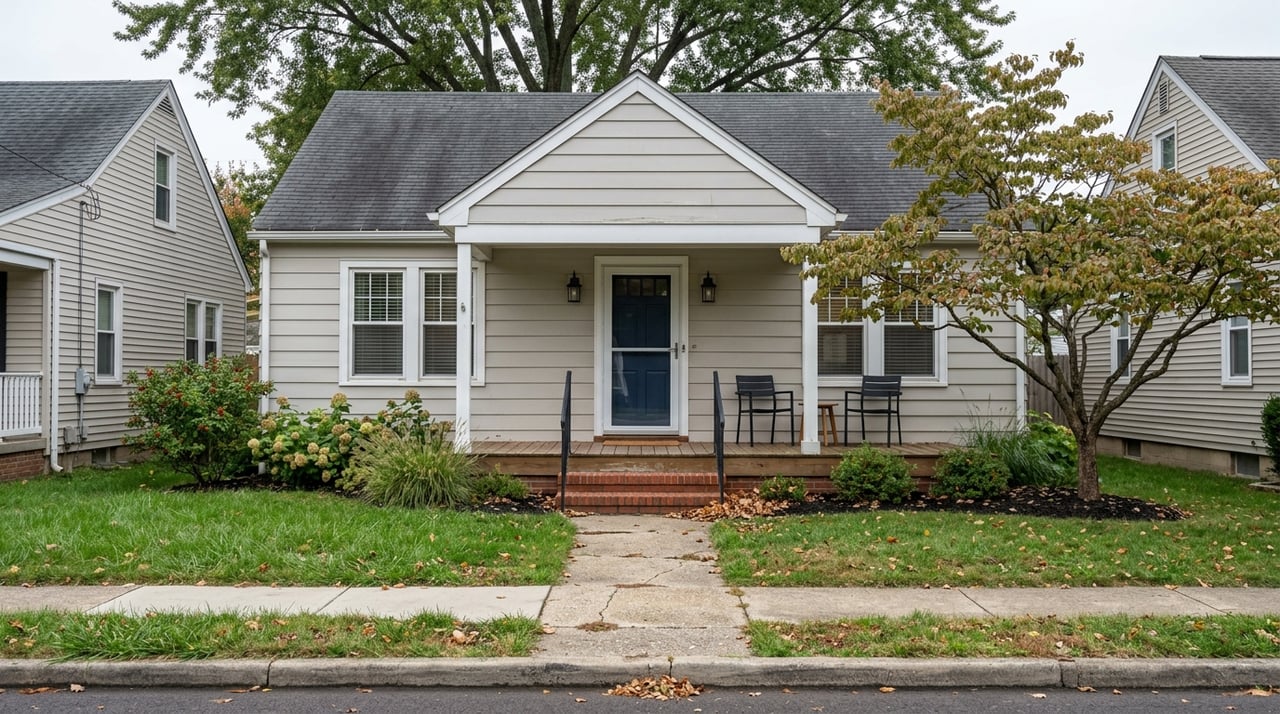
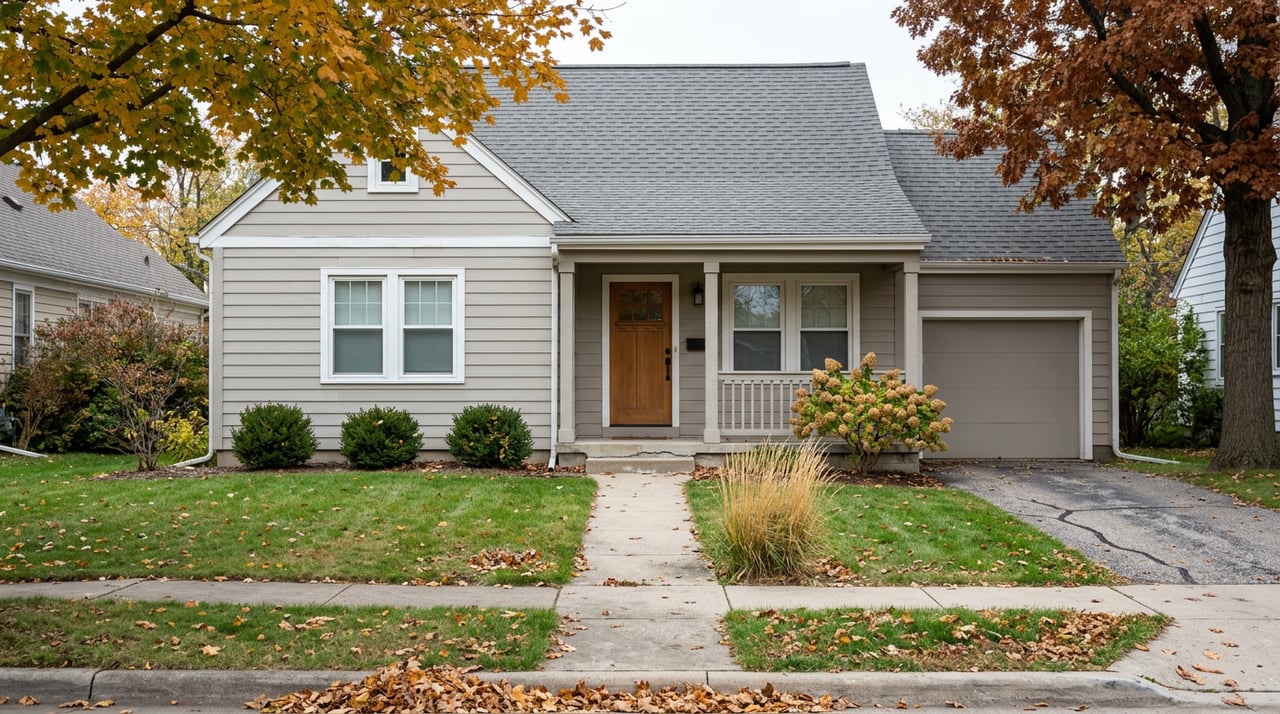
Converted houses with 3 to 6 or more bedrooms are common near campus. You may achieve higher per‑bed rent, but expect more wear‑and‑tear and frequent turns. These properties typically require city rental registration and inspections, so factor compliance into your timeline and budget.
Small multi‑unit (duplex to fourplex)
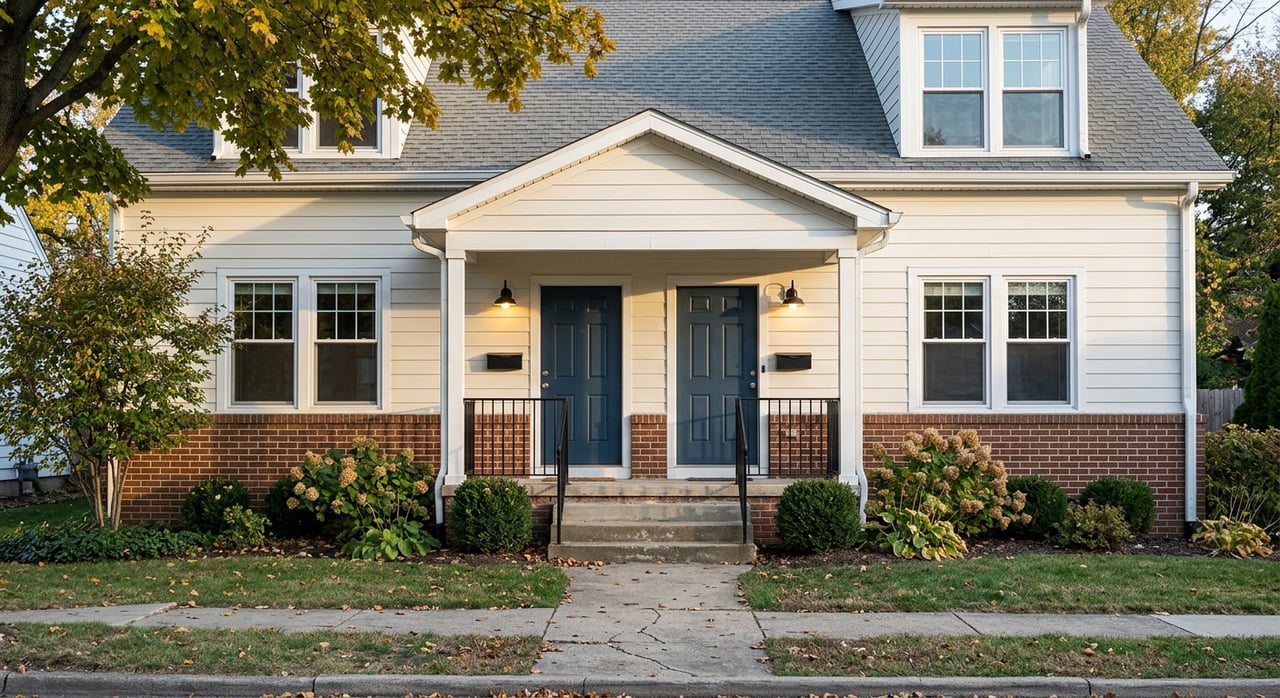
Small multifamily works well for house‑hackers who live in one unit and rent the others. Owner‑occupants may access favorable loan programs, but you still need solid management to handle turnovers and maintenance.
Condos, townhomes, and ADUs
Condominium and HOA rules can limit or shape rentals. Always review governing documents for leasing restrictions and any registration requirements before you offer.
Lease structures that work
Term options and timing
Both academic‑year and 12‑month leases are common near IU. Academic‑year leases (August to May or August to July) align with student schedules, while 12‑month terms can reduce summer vacancy risk. If you allow subletting for summer, build clear rules into your lease.
Joint vs individual leases
A joint lease means all roommates sign one contract and share full responsibility for rent. Individual‑bed leases separate liability room by room but require tighter administration. IU’s student guidance stresses that leases are binding, so present your lease structure clearly in all marketing and showings. Review IU’s Off‑Campus Leasing FAQs to align your process with renter expectations.
Utilities and services
You can either include utilities for simplicity or require tenants to split them. Spell out which services you cover, how common‑area maintenance works, and any lawn or snow expectations.
Financing and tax basics
FHA for 2–4 units (house‑hackers)
If you plan to live in one unit of a 2–4 unit property, FHA financing can allow low down payments for qualified borrowers. You must meet property standards and occupancy rules outlined in HUD’s FHA Handbook 4000.1. Be clear about owner‑occupancy and mortgage insurance impacts when you model costs.
Conventional investor loans
For non‑owner‑occupied purchases, lenders often require larger down payments and reserves, with rates typically higher than primary home loans. Some investors use DSCR or portfolio loans when the property cash flows well. Review lender guidance to compare down payment, reserve, and rate scenarios.
Other capital options
Eligible veterans may use VA for 1–4 units with owner occupancy. Many investors also tap HELOCs or home‑equity loans for down payments or renovations. Always align your plan with program rules and accurate occupancy intent.
Local taxes and income tax
Monroe County assesses property taxes at the parcel level, and bills follow county schedules. Confirm the precise rate, exemptions, and due dates with the county offices through the Monroe County departments page. Rental income is taxable, but you may deduct expenses, mortgage interest, and depreciation. A CPA with rental experience can help you choose an entity, plan for depreciation, and evaluate strategies like 1031 exchanges.
Compliance in Bloomington
Registration, inspections, and occupancy
Within city limits, most rentals must be registered with the Housing & Neighborhood Development Department (HAND) and have a valid occupancy permit. Inspections occur on a multi‑year cycle. Many single‑family zones limit occupancy to a family or three unrelated adults. Always confirm the legal occupant load and review the HAND file before you close. Start with the city’s rental occupancy and registration page.
Landlord‑tenant rules
Indiana law sets standards for habitability, deposit handling, and eviction procedures. For a practical overview of timelines and obligations, see this summary of Indiana landlord‑tenant laws. Follow current statutes and rely on local counsel for lease drafting or disputes.
Short‑term rental checks
Short‑term rental rules vary and can change. Bloomington and Monroe County may require registration, permits, and lodging tax collection. Confirm what applies to a specific address with HAND and county offices before you pursue an STR strategy. The city’s rental occupancy page is a good first stop for current guidance.
Underwriting rentals near Indiana University
Use conservative assumptions to stress‑test deals:
- The 1 percent rule is a quick screen. In Bloomington, many purchases will not hit a full 1 percent monthly rent‑to‑price ratio, so dig deeper rather than relying on this alone.
- The 50 percent rule suggests expenses may consume around 40 to 50 percent of gross rent before debt service. This helps you estimate net operating income for a first pass. Some properties expenses may be below 40% of gross rent.
- Management and leasing costs matter. Full‑service management often runs a percentage of monthly rent, and student rentals can require higher marketing and turnover budgets. Get written quotes early.
- Budget for Capital Expenses. Older homes near campus may need ongoing roof, HVAC, and water heater updates. Keep cash reserves for vacancies and repairs.
Illustrative screen using city averages: if monthly rent is about 1,901 dollars and the median home value is roughly 303,916 dollars, annual gross rent is about 22,812 dollars. With a 50 percent expense assumption, cap rate could land near the mid‑3 percent range. Your returns will depend on purchase price, financing terms, and your ability to control expenses.
Strategy fit: long‑term, STR, or hybrid
- Long‑term hold: Works well with stable IU demand. Consider multi‑year leases with graduate students or faculty to reduce turnover.
- STR or flip: Possible upside but higher regulatory and operating risk. Verify local code and taxes before you commit.
- House‑hack: Live in one unit of a duplex to fourplex and rent the others to offset your payment. Confirm FHA or VA rules and run conservative cash‑flow models before you rely on projected rent.
Due diligence checklist before you offer
- Pull the HAND property file and confirm a valid rental occupancy permit and any inspection history on the city’s registration page.
- Verify zoning and legal occupant load, and ask if any grandfathered status applies for unrelated adults.
- Look up parcel tax data and payment schedules with Monroe County. Confirm exemptions that may affect your tax bill.
- Review HOA or condo bylaws for any rental limits or STR bans.
- Run a sample cash flow using the 50 percent rule and include a 6 to 8 week vacancy scenario each year.
- Request two to three quotes for professional property management and leasing.
- Align your lease plan with IU’s calendar and set clear terms on utilities and subletting. Check IU’s Off‑Campus Leasing FAQs.
- If house‑hacking, review HUD’s FHA handbook and speak with a lender about owner‑occupancy and mortgage insurance.
Timeline for a smooth student rental purchase
- Weeks 1–2: Define your strategy and price band, get pre‑approved, and shortlist blocks within walking or biking distance to campus nodes.
- Weeks 3–4: Tour properties, estimate rent per bedroom, and model cash flow with conservative expenses. Pull HAND files and confirm legal occupancy.
- Weeks 5–6: Make offers with inspection windows that allow time to verify registration and occupancy limits. Order a thorough inspection with special attention to roofs, HVAC, plumbing, and safety devices.
- Weeks 7–8: Finalize financing, collect insurance quotes, and set your marketing plan for the academic cycle. Line up vendors for turn services.
Local resources to bookmark
- City of Bloomington — HAND rental registration
- IU Off‑Campus Living & Leasing FAQs
- Bloomington Housing Authority overview
- Monroe County departments (assessor and auditor)
- HUD — FHA Single Family Handbook 4000.1
Work with a local team
If you want reliable rent and fewer surprises near IU, pair sound analysis with on‑the‑ground guidance. Our team at Realty Professionals knows the block‑by‑block dynamics around Memorial Stadium, Kelley School of Business, all sides of campus and downtown, and we support investor purchases, leasing, and property management under one roof. When you are ready to evaluate opportunities near Indiana University or across Monroe County, reach out to Realty Professionals for a local plan you can trust.
FAQs
What rent can I expect for a rental near IU?
- Citywide averages often land in the high 1,800s to around 2,000 dollars per month, with campus‑adjacent locations and walkability to Kirkwood or core academic buildings often commanding premiums.
How do Bloomington occupancy limits affect student rentals?
- Many single‑family zones cap unrelated adults at three; always verify the legal occupant load and permit status with HAND using the city’s rental occupancy page.
Is an academic‑year or 12‑month lease better near IU?
- Both are common; academic‑year terms align with student schedules, while 12‑month leases can reduce summer vacancy risk—set expectations clearly and review IU’s leasing FAQs.
For more information, contact Realty Professionals in Downtown Bloomington. Stop by and see us at 328 S Walnut or give us a call at 812-650-3600!