Thinking about buying or selling in Hyde Park but not sure where to start? You are not alone. Early research can feel overwhelming when you are trying to understand neighborhood fit, home types, and what the market is doing right now. In this overview, you will learn how Hyde Park fits into Bloomington, what housing options to expect, how prices and inventory usually behave, and how to track reliable, up-to-date data as you plan your move. Let’s dive in.
Hyde Park at a glance
Hyde Park is a residential neighborhood within Bloomington, Indiana. What sets it apart is the combination of neighborhood feel and access to city amenities. When you evaluate its location, look for proximity to grocery options, parks, healthcare, and commute corridors that connect to downtown and Indiana University. These factors often shape buyer demand and help explain price differences within Bloomington.
Walkability and amenities
Walkability varies block by block. Focus on how close you are to daily needs like shopping, trails, and services, and how easily you can reach major employment centers. Access to transit or straightforward drive times can influence both buyer interest and resale value. If you plan to rent out a property, proximity to IU connections can also affect demand.
Zoning and lot patterns
Zoning, lot size, and any neighborhood overlays can affect what you can build or renovate. Review the City of Bloomington planning and zoning resources to confirm the dominant zoning around your target streets, typical lot sizes, and whether any overlay or historic guidelines apply. If an HOA exists, check association rules for exterior changes or additions before you set your renovation budget.
Homes and housing styles
Before you fall in love with a listing, build a quick profile of Hyde Park’s housing stock using the local MLS and assessor records. You want to confirm the mix of property types, age, and typical layouts so your expectations match what the neighborhood offers.
Typical forms and age mix
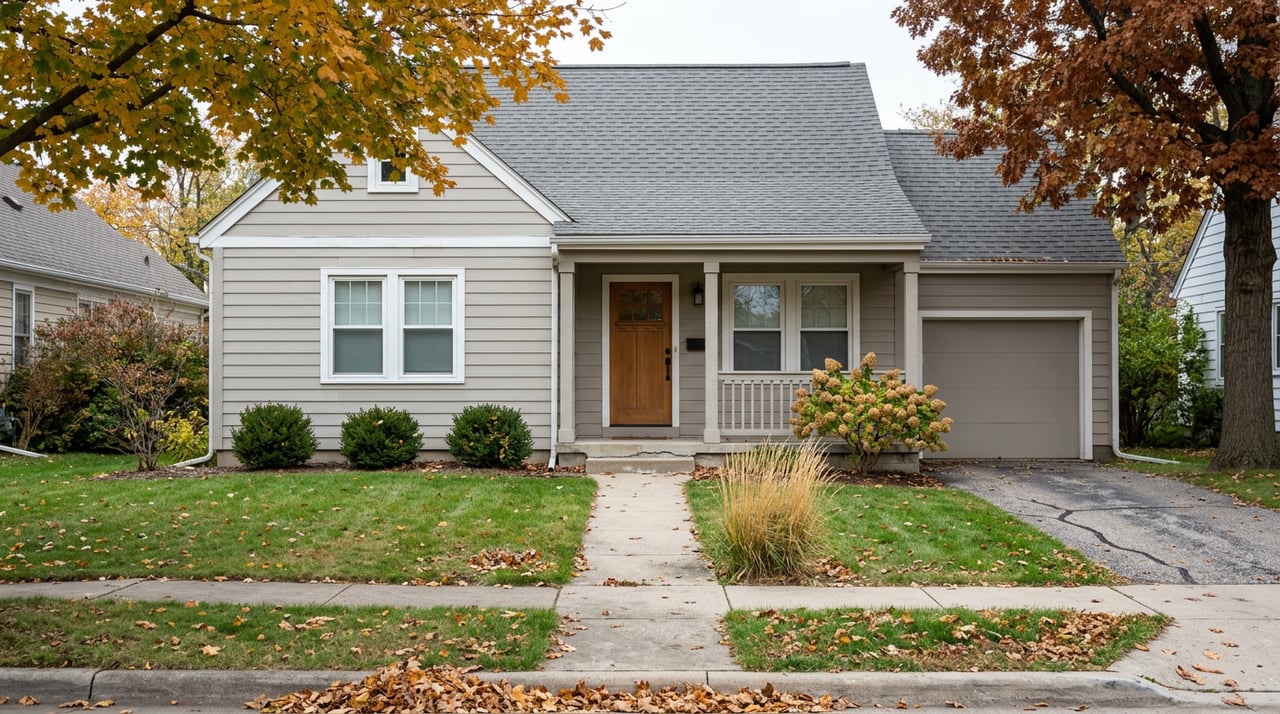
In many Bloomington neighborhoods, you will find a strong share of single-family detached homes, with styles that can include ranch and traditional two-story layouts. Verify the mix in Hyde Park by scanning recent MLS listings and closed sales. As you review, note the construction decades that are most common, since pre-1980s homes can carry different maintenance patterns than newer infill.
Size, layout, and features
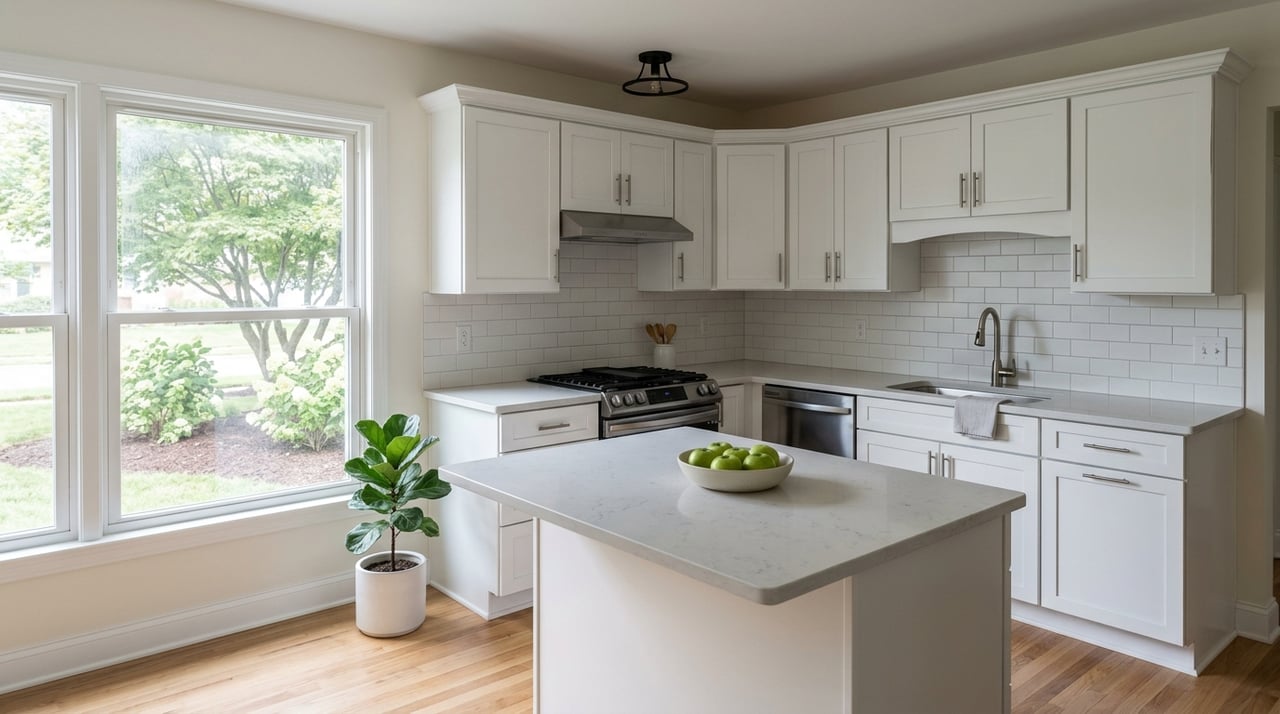
Pay attention to bedroom and bath counts that fit your lifestyle, along with basements, garages, and outdoor space. Finished basements and attached garages can drive price differences even among similar homes. If you see frequent mentions of updates to kitchens, baths, roofs, HVAC, or windows, that often signals what buyers in Hyde Park value most during negotiations.
Owner-occupancy and rentals
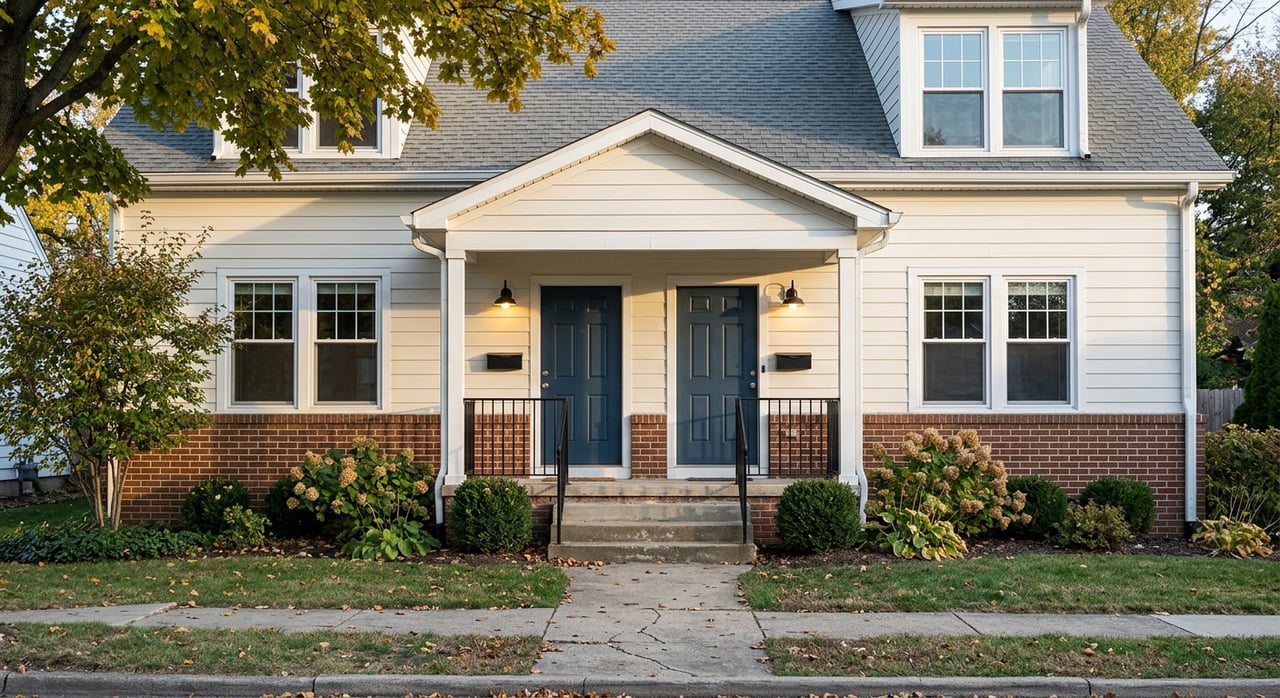
Tenure matters. Use assessor or Census data for a broad read on owner-occupied versus rental share. A higher rental concentration can influence pricing dynamics, investor interest, and turnover rates. If you are evaluating a purchase for rental income, also compare estimated rents with current mortgage and maintenance costs to confirm your margin.
How prices and inventory work
You will get the clearest picture by grounding your expectations in neighborhood-level data rather than citywide averages. Hyde Park can run hotter or softer than the broader Bloomington market depending on inventory, home updates, and lot characteristics.
Establishing a current price range
If you want a real-time bracket, pull neighborhood comps from the local MLS. Focus on:
- The 12-month median sale price and average price per square foot.
- Three to five recent closed comps that match your target size and condition.
- A 12- and 36-month view of price-per-square-foot trends to spot direction.
If you are not using live data in your research yet, treat any rough range you see elsewhere as an estimate only. The most reliable picture comes from a polygon MLS search that mirrors Hyde Park’s boundaries and recent sales.
Inventory and days on market
Market tightness shows up in a few key metrics:
- Active listings and months of inventory.
- Median days on market in 30, 60, and 90-day buckets.
- Sale-to-list price ratio and how often homes close above list.
Small neighborhoods can swing quickly. A handful of new listings or a cluster of updated homes can skew short-term medians. Use rolling 12-month views to smooth the spikes and add 3- to 6-month comps when you need tactical pricing guidance.
Seasonal rhythm in Bloomington
Most years follow a familiar cadence:
- Spring: listing counts and buyer activity rise, and prices can firm.
- Early summer: often the busiest period for showings and closings.
- Late summer through fall: activity tapers, but well-priced, well-staged homes move.
- Winter: fewer showings and lower inventory. Motivated buyers can find opportunities.
Who buys and sells in Hyde Park
Hyde Park tends to attract a range of buyers, each with different priorities and tradeoffs.
Buyer profiles to expect
- First-time buyers and young professionals: often value smaller, efficient homes with manageable maintenance and convenient access to services.
- Young families: look for 2 to 3 or more bedrooms, yard space, and nearby parks.
- Downsizers and empty nesters: prefer lower-maintenance layouts while staying close to familiar amenities.
- Investors and landlords: evaluate demand drivers, including proximity to larger employers and university connections, along with rentability and turnover.
Seller motivations and prep
Sellers often move due to life changes like upsizing, downsizing, or job transfers. Results improve when you address deferred maintenance, stage thoughtfully, and price off recent Hyde Park comps rather than citywide averages. Small cosmetic updates such as fresh paint, landscaping, and kitchen or bath refreshes can deliver strong ROI in neighborhood sales.
Negotiation dynamics to plan for
Market conditions guide strategy. Knowing whether you are in a seller’s market or a buyer’s market can shape your terms and timelines.
When the market is tight
- Expect multiple offers on well-presented homes.
- Consider escalation clauses and a strong pre-approval to compete.
- Balance risk before waiving contingencies; get clarity on inspection scope and timelines.
When the market is looser
- Buyers can negotiate price, ask for repairs, or request concessions such as closing cost credits or a rate buy-down.
- Sellers benefit from sharper pricing, standout presentation, and flexibility on timing.
- Both sides should ground decisions in a recent, Hyde Park-specific comp set.
How to track Hyde Park trends
Clear metrics and reliable sources keep your decisions grounded, even as conditions change.
Key metrics to monitor
- Median sale price using a 12-month rolling view.
- Average price per square foot.
- Active listings and months of inventory.
- Median days on market and sale-to-list price ratio.
- Percentage of listings selling above list.
- New construction or infill permits, if applicable.
Best data sources
- Local MLS: most accurate for neighborhood-level comps, DOM, and sale-to-list ratios.
- Monroe County Assessor and Recorder: verified property details, taxes, and deed history.
- City of Bloomington planning and zoning: zoning maps, permits, and planned public projects.
- U.S. Census and ACS: broader context on housing tenure and demographics.
- Local broker and Realtor association reports: monthly or quarterly snapshots for comparison.
A simple research workflow
- Define Hyde Park’s boundary and set a polygon-limited MLS search.
- Pull the last 12 months of closed sales and current actives; compute medians and price per square foot.
- Choose 3 to 5 recent comps aligned with your target bed, bath, and lot size.
- Verify age, square footage, and owner-occupancy indicators through assessor records.
- Check City planning resources for zoning and upcoming projects.
- Compare Hyde Park’s metrics with Bloomington-wide figures to spot differences.
- Revisit monthly or quarterly to keep your plan current.
Practical tips for buyers
- Set listing alerts inside the exact Hyde Park boundary and track days on market.
- Get a strong pre-approval so you can act quickly when the right home appears.
- Ask for seller disclosures and typical utility and maintenance costs to confirm total monthly housing expense.
- Prioritize must-haves versus nice-to-haves so you can move confidently in a tight window.
Practical tips for sellers
- Request a neighborhood comp analysis and price to the most recent Hyde Park sales, not broad city averages.
- Budget for high-impact updates: exterior touch-ups, fresh paint, clean landscaping, and functional kitchens and baths.
- Stage to highlight natural light and flexible spaces. Professional photos amplify results.
- Consider timing and strategy. Spring can bring more buyer traffic, but a well-prepped winter listing can stand out with less competition.
Why local expertise matters
Neighborhood-level conditions can differ from Bloomington’s averages. Hyde Park’s mix of home ages, lot sizes, and access to amenities can shift demand within just a few blocks. Having a local advisor who can pull hyperlocal comps, read inventory signals, and position your home or offer correctly is the difference between a missed opportunity and a great outcome.
Ready to make your next move in Hyde Park? Connect with the local team that pairs deep Bloomington expertise with strong marketing reach. Start your plan with Realty Professionals.
FAQs
How does Hyde Park compare on price within Bloomington?
- Compare Hyde Park’s 12-month median sale price and price per square foot to Bloomington-wide figures using neighborhood-level MLS reports for the most accurate picture.
How long do homes in Hyde Park usually take to sell?
- Track median days on market in 30, 60, and 90-day views; tight inventory often shortens timelines, while slower seasons can extend them.
Is Hyde Park a good long-term investment?
- Evaluate rentability, historic price trends, and proximity to major amenities or employment centers, then verify with MLS sales history and assessor records.
What updates have the best resale impact in Hyde Park?
- Curb appeal, functional kitchens and baths, and core systems like HVAC, plumbing, electrical, and energy efficiency upgrades tend to matter most to buyers.
How do I find current price ranges for Hyde Park?
- Use a polygon-limited MLS search for the neighborhood and review 3 to 6 months of closed comps for similar bed, bath, and condition to set a realistic bracket.
What signals a seller’s versus buyer’s market in Hyde Park?
- Low months of inventory, short days on market, and sale-to-list ratios above 100 percent point to a seller’s market; the opposite trends indicate more buyer leverage.