If you're planning to sell your home, one powerful tool in your real estate arsenal could be the open house. In this blog post, we'll delve into the meaning of an open house, what it entails, explore both the pros and cons of this widely-used selling strategy, share valuable tips to help you prepare your home for a successful open house experience, and touch on the role of knowledgeable real estate agents, such as those at Realty Professionals, in making your open house a triumph.
Understanding the Essence of an Open House
Defining the Open House:
An open house is an event where prospective buyers can freely visit a home listed for sale. It's an opportunity for them to explore the property, envision themselves living there, and engage with real estate agents. Open houses are typically scheduled for a few hours during weekends when potential buyers are more likely to be available.
How Do Open Houses Work?
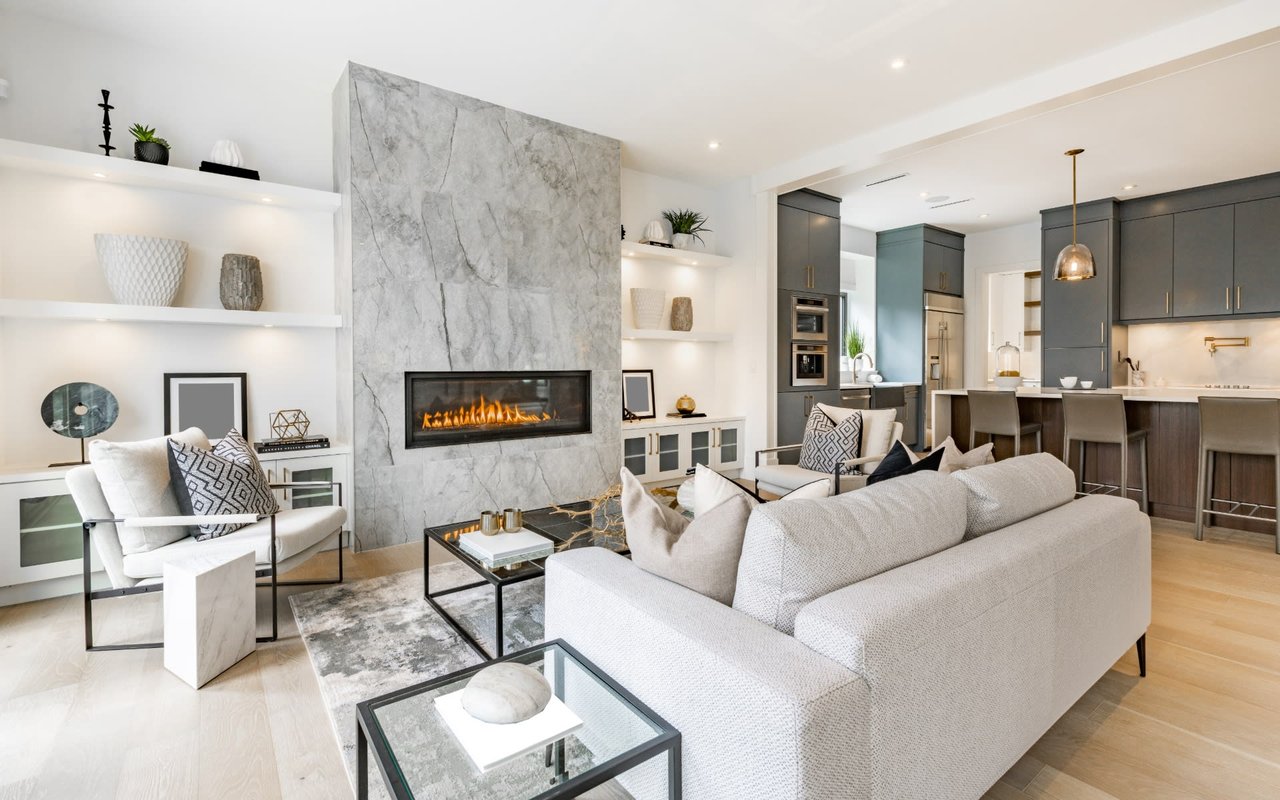
During an open house, the home is staged to highlight its best features. Visitors can tour the property at their own pace, asking questions and getting a feel for the space. Real estate agents, either the listing agent or a colleague, are present to provide information, address queries, and potentially guide interested buyers through the next steps in the purchasing process.
Analyzing the Open House
Effectiveness of Open Houses: Navigating Expectations and Resource Investment:
One may ask, "Are open houses worth it?" While open houses are a widely-used strategy in the real estate market, it's essential to address a common misconception that the primary goal is to secure an immediate buyer. According to the National Association of Realtors® (NAR), only about 4% of buyers find their homes through yard signs and open house signs.
Rather than being viewed as a direct sales platform, open houses are better understood as a part of a broader marketing strategy. They offer an opportunity to showcase your home to a diverse audience, create a buzz in the local market, and increase overall visibility. While the benefits may not be immediate, the exposure generated could contribute to a quicker and more successful sale in the long run. Sellers should carefully weigh the pros and cons, considering factors such as local market conditions, the appeal of their property, and the preferences of potential buyers. A well-executed open house, complemented by a robust marketing strategy, can enhance a property's desirability and contribute to a successful sale, even if the impact isn't immediate.
Security Concerns: Balancing Exposure and Safety
In addition to concerns about immediate effectiveness, another drawback of open houses is the potential security risk. Allowing a stream of strangers into your home can expose it to theft or other security issues. To mitigate these concerns, sellers must strike a balance between maximizing exposure and ensuring the safety and security of their property. Taking precautions, such as securing valuables and personal items, and perhaps even considering additional security measures during the event, becomes paramount.
Intrusion into Personal Space: Navigating the Seller's Comfort Zone
Another consideration is the intrusion into your personal space. Some sellers may find it uncomfortable to have strangers exploring their home, leading them to question the necessity of this strategy. Here, the key lies in navigating the seller's comfort zone. Clear communication with your real estate agent and establishing ground rules for the open house can help strike a balance between showcasing the property effectively and respecting the seller's privacy.
Preparing Your Home for a Successful Open House
If you choose to host an open house, implementing a well-thought-out strategy can significantly enhance its impact as a valuable component of your overall selling strategy. Let's explore some practical tips to make the most out of your open house:
1. Enhance Curb Appeal:
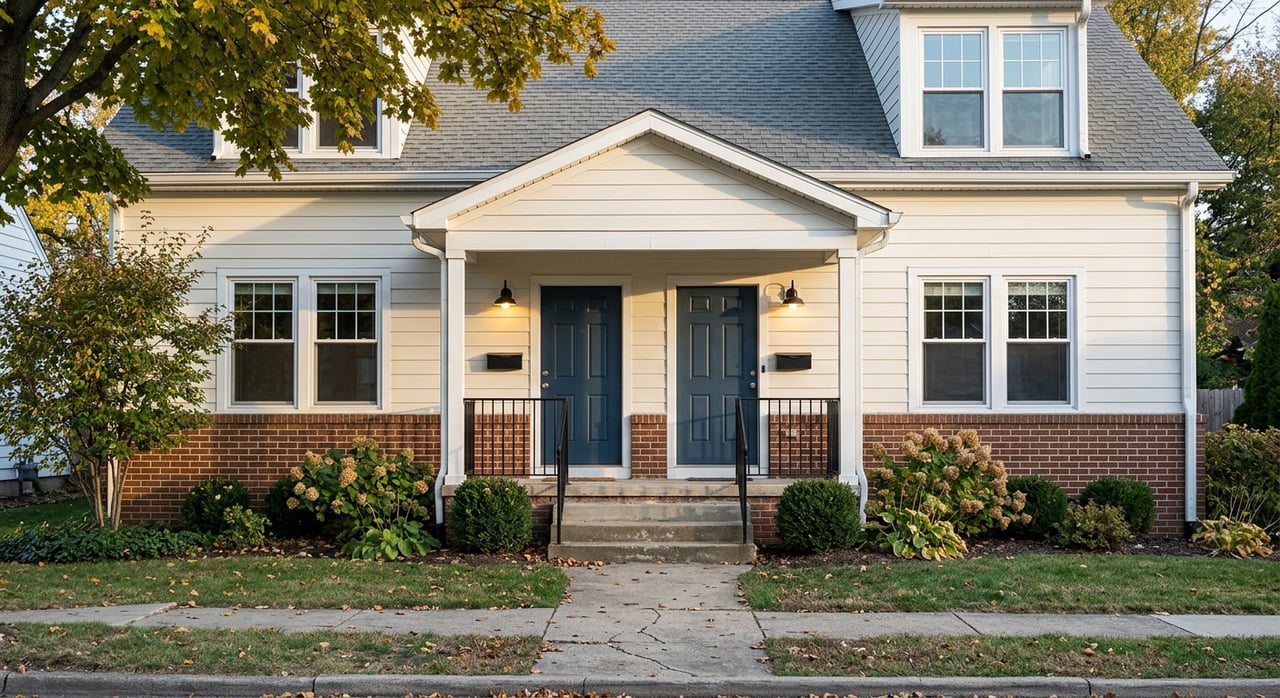
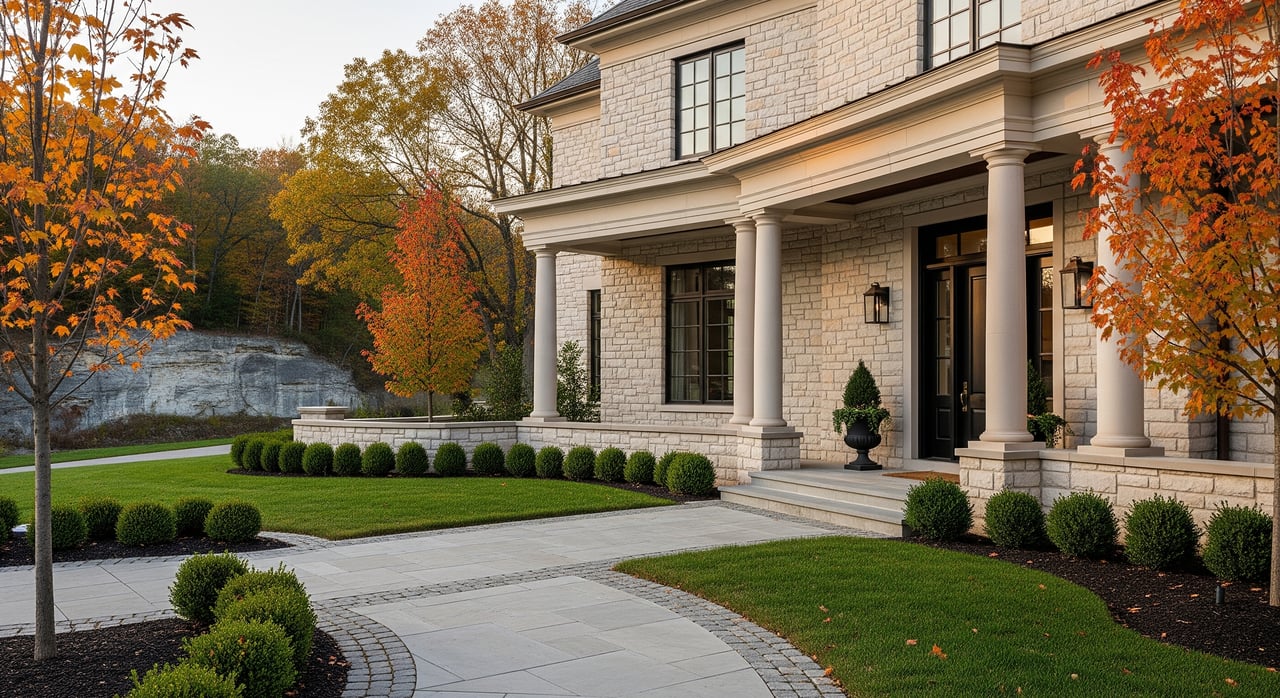
Make a strong first impression by ensuring your home's exterior is well-maintained. Clean the yard, trim bushes, and consider adding a fresh coat of paint to the front door.
2. Declutter and Depersonalize:
Help potential buyers envision themselves in your home by decluttering and depersonalizing the space. Remove personal items and excess furniture to create a clean, neutral environment.
3. Deep Clean:
A spotless home is more appealing. Clean every nook and cranny, from baseboards to light fixtures. Don't forget about less obvious spaces like closets and storage areas.
4. Create an Inviting Atmosphere:
Set the stage by arranging furniture in a way that promotes flow and highlights the home's best features. Consider fresh flowers or strategically placed decor to add warmth.
The Role of Knowledgeable Real Estate Agents
When it comes to navigating the complexities of selling your home, having a knowledgeable and successful real estate agent is invaluable. At Realty Professionals, our agents are equipped with the expertise and resources to guide you through the entire process, including hosting a successful open house. Their market knowledge, experience, and dedication to your success can make all the difference in achieving your selling goals.
Conclusion
In conclusion, hosting an open house can be a powerful tool in your home-selling strategy. By understanding the meaning of an open house, its potential benefits, and implementing the right preparations, you can maximize the impact of this event. However, it's crucial to weigh the pros and cons carefully and consider all strategies. Partnering with a reputable brokerage like Realty Professionals, with its experienced and dedicated real estate agents, can further enhance your chances of a successful home sale. So, open the doors to possibilities, be mindful of the nuances, and let your home shine in the spotlight of an open house event if you choose to do so.