If you are comparing east Bloomington neighborhoods, Hyde Park can stand out fast. It is often associated with larger homes, more updated housing options, and a price point that sits above many nearby east-side areas. If you want to understand how Hyde Park compares with places like Park Ridge East, Sherwood Oaks, Gentry Estates, Broadview, and other east Bloomington pockets, this guide will help you sort through the differences and focus on what matters most for your move. Let’s dive in.
Hyde Park at a Glance
In Bloomington, the Hyde Park name is used a little differently depending on the source. The City of Bloomington neighborhood association list includes Hyde Park Village, while subdivision records and local listings also use Hyde Park and Rosewood at Hyde Park.
For buyers, the practical takeaway is simple. Hyde Park refers to a recognizable east-side residential area rather than one small historic district. That gives you a useful frame when you are comparing it with other east Bloomington neighborhoods.
Hyde Park Housing Style
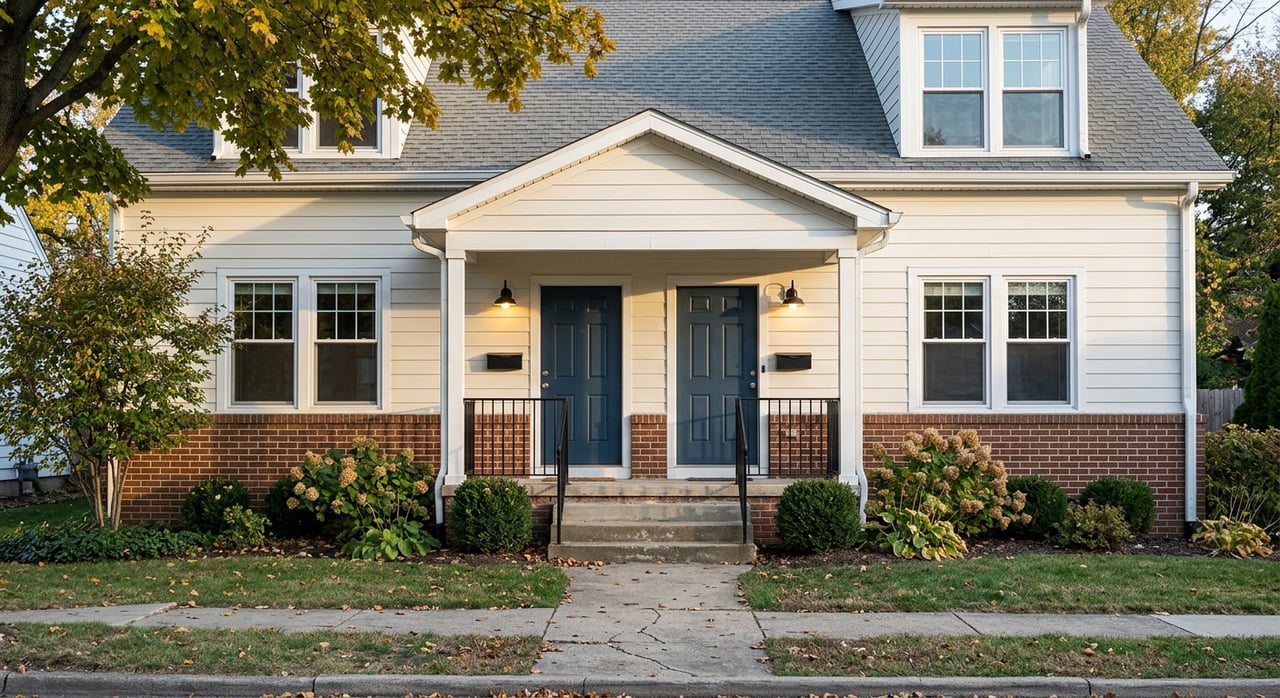
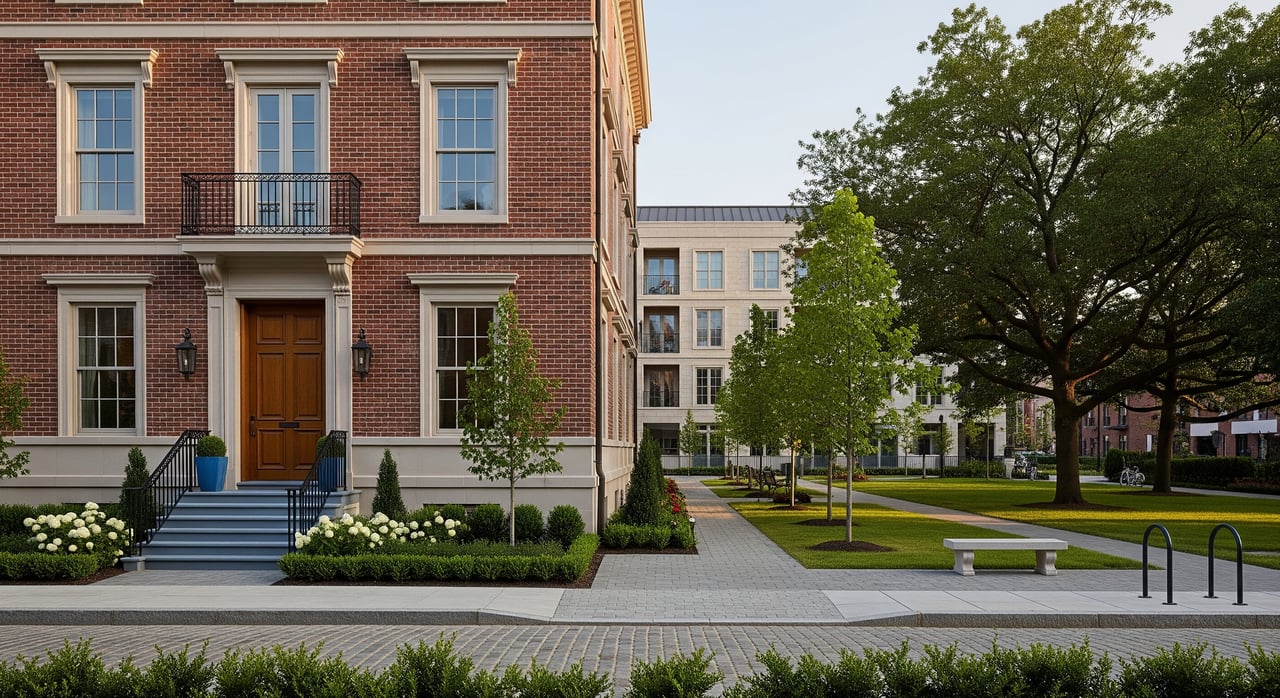
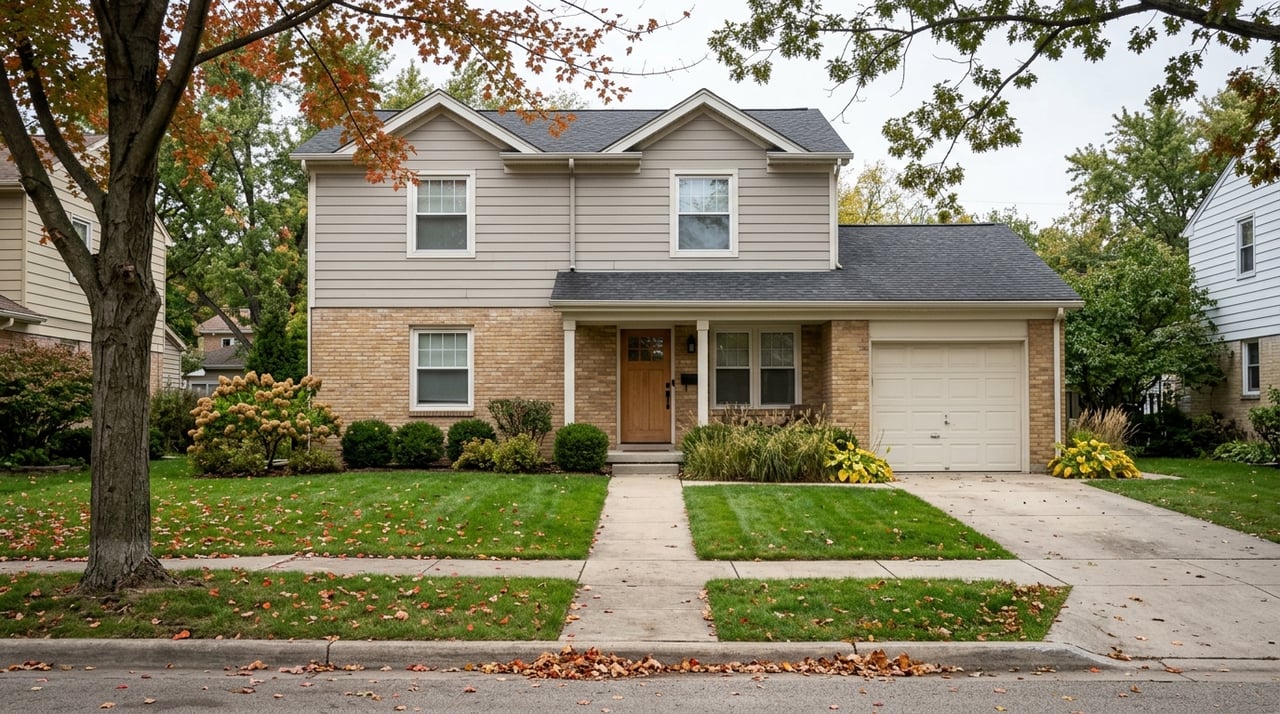
Hyde Park tends to offer a mix that is harder to find in some other east-side areas. Based on current Hyde Park listing examples, you will often see larger single-family homes alongside newer condo or townhouse-style options.
The housing stock also appears to span several decades. Sample homes were built in 1978, 1981, 1988, 1994, and 1998, with condo communities from 2004 and 2012. That suggests an established neighborhood that has also seen later infill and more updated attached housing.
Another noticeable difference is lot size. Sample Hyde Park lots are often around one-third to just under one-half acre, based on east-side listing examples. If you want more outdoor space without leaving the east side, that can be a major plus.
How Other East Areas Differ
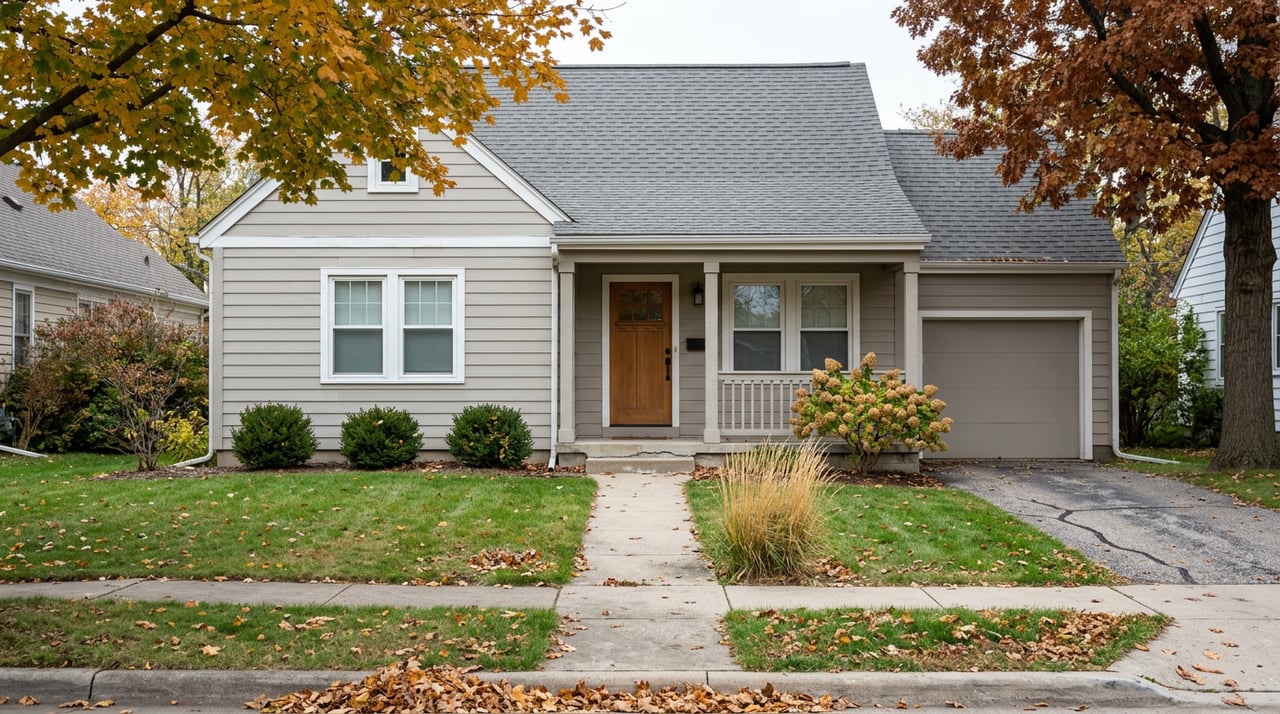
Other east Bloomington neighborhoods often have different housing patterns. According to nearby east-side listing and value examples, Park Ridge East and Sherwood Oaks tend to feature more 1960s to 1980s ranch, split-level, and bi-level homes.
Gentry Estates and Gentry Honours generally lean toward 1980s and 1990s single-family homes. Broadview is known for smaller older homes, while the broader Eastside area includes smaller houses and condos that are often closer to campus.
That does not make one area better than another. It simply means Hyde Park often appeals to buyers who want a combination of more square footage, a more updated feel in some sections, and attached housing options that still sit within east Bloomington.
Hyde Park Price Range
Price is one of the clearest differences. Bloomington’s typical home value is about $303,916, which gives you a broad citywide baseline.
In Hyde Park, current sample single-family homes range from about $450,700 to $742,300, while Rosewood and Hyde Park condo examples range from about $543,500 to $835,800, based on current neighborhood examples. That places Hyde Park in the upper-middle to upper part of Bloomington’s east-side market.
How Hyde Park Compares on Price
Nearby east-side neighborhood values show a wide spread. Based on Zillow neighborhood values and east-side comparisons, Broadview is about $203,678, Park Ridge about $332,951, Park Ridge East about $350,528, Sherwood Oaks about $365,280 to $370,611, Gentry Estates about $378,697, Eastside about $404,470, Covenanter about $436,337, and Hoosier Acres about $575,582.
The simplest way to read that data is this: Hyde Park usually sits above many east Bloomington neighborhoods, but it does not always stand alone at the very top of the east-side market. In practical terms, you are often paying for more space, a more updated housing mix, and the convenience of a well-positioned east-side location.
What You Get for the Money
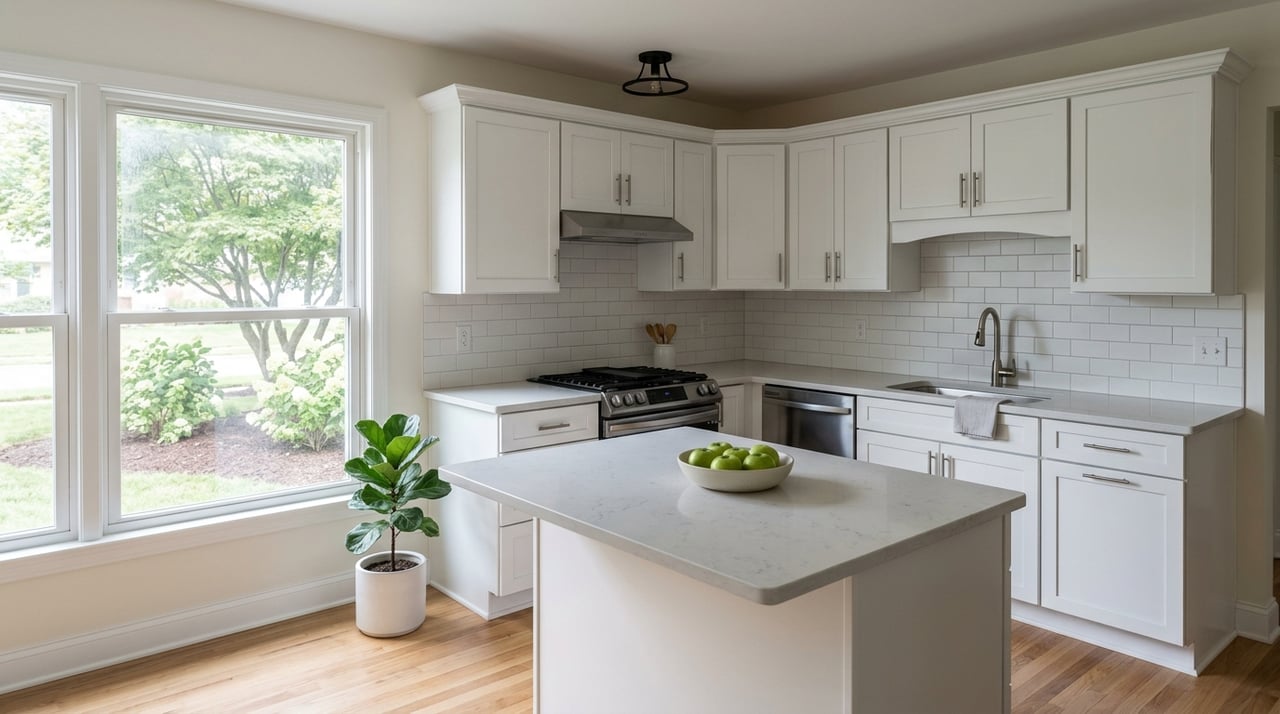
In Hyde Park, the value story is less about finding the lowest entry price and more about what comes with the purchase. You are often looking at larger lots, larger homes, and finishes or layouts that can feel newer than lower-priced east-side housing stock.
That is why Hyde Park competes well with buyers who want room to spread out while still staying close to Bloomington’s daily destinations. If your priority is maximizing size and finish level within east Bloomington, Hyde Park may deserve a closer look.
East Bloomington Convenience
Location is another reason Hyde Park gets attention. East Bloomington’s key travel corridor includes East 3rd Street and the State Road 45/46 Bypass / College Mall Road junction, which the city recently highlighted in a traffic update about the State Road 45 46 Bypass area. That helps underline how central this east-side node is to everyday traffic flow.
Hyde Park listings regularly point to access to Indiana University, College Mall, downtown Bloomington, shopping, restaurants, theaters, parks, and the hospital. One Hyde Park area listing also mentions the Allen-Covenanter Greenway and nearby retail.
For many buyers, that means Hyde Park offers a balance that can be hard to replicate. You can get more space than some closer-in east-side neighborhoods while still staying connected to major roads, retail, campus destinations, and everyday services.
Nearby Parks and Recreation
When you tour east Bloomington, parks and trails often become part of the neighborhood decision. The city’s parks directory highlights Sherwood Oaks Park, a 15-acre park with a playground, shelter, tennis courts, basketball goals, and a trail connection.
The same city source also lists Winslow Sports Complex, which includes softball and baseball diamonds, tennis courts, a paved trail, and soccer fields near the YMCA of Monroe County Southeast. If outdoor access matters to you, these east-side amenities can strengthen the appeal of several neighborhoods in this part of Bloomington, including Hyde Park and surrounding areas.
Who Hyde Park Fits Best
Hyde Park can make sense if you are looking for an established neighborhood with a higher price point, more interior and exterior space, and a housing mix that includes both larger detached homes and newer attached options. It may also be a good fit if east-side convenience is high on your list.
Other east Bloomington areas may be a better match if your priorities lean more toward a lower purchase price, older in-town housing, or a different home style. Park Ridge East, Sherwood Oaks, Broadview, Gentry Estates, Eastside, Covenanter, and Hoosier Acres each bring their own tradeoffs in price, lot size, age, and housing type.
Final Takeaway
If you are choosing between Hyde Park and other east Bloomington neighborhoods, the biggest differences usually come down to space, housing style, updates, and price position. Hyde Park is generally best described as an established, higher-priced east-side neighborhood that offers larger homes, some newer condo product, and convenient access to the broader east Bloomington corridor.
The right fit depends on your goals, budget, and daily routine. If you want help comparing east Bloomington neighborhoods in a practical, property-by-property way, connect with Realty Professionals for local guidance grounded in real market knowledge.
FAQs
What makes Hyde Park different from Park Ridge East in Bloomington?
- Hyde Park generally offers larger homes, larger lots, and a higher price point, while Park Ridge East more often features 1960s to 1980s ranch, split-level, and bi-level homes.
Is Hyde Park one of the more expensive east Bloomington neighborhoods?
- Hyde Park appears to sit in the upper-middle to upper range of the east-side market, above many nearby neighborhoods, though it may overlap with higher-priced areas such as Hoosier Acres, Covenanter, and parts of Eastside.
What types of homes are common in Hyde Park, Bloomington?
- Hyde Park tends to include larger single-family homes plus newer condo or townhouse-style options, with sample construction dates ranging from the late 1970s through the 2010s.
How convenient is Hyde Park to Indiana University and east-side shopping?
- Hyde Park listings frequently highlight access to Indiana University, College Mall, downtown Bloomington, shopping, restaurants, theaters, parks, the hospital, and major east-side road connections.
Are Hyde Park lots larger than in other east Bloomington areas?
- Based on sample listings, Hyde Park lots are often around one-third to just under one-half acre, which is generally larger than what you may find in denser in-town neighborhoods.
How should buyers compare Hyde Park with other east Bloomington areas?
- Focus on your budget, preferred home style, lot size needs, desired level of updates, and how important east-side access is to your everyday routine.